Financing that funds your build, stage by stage.
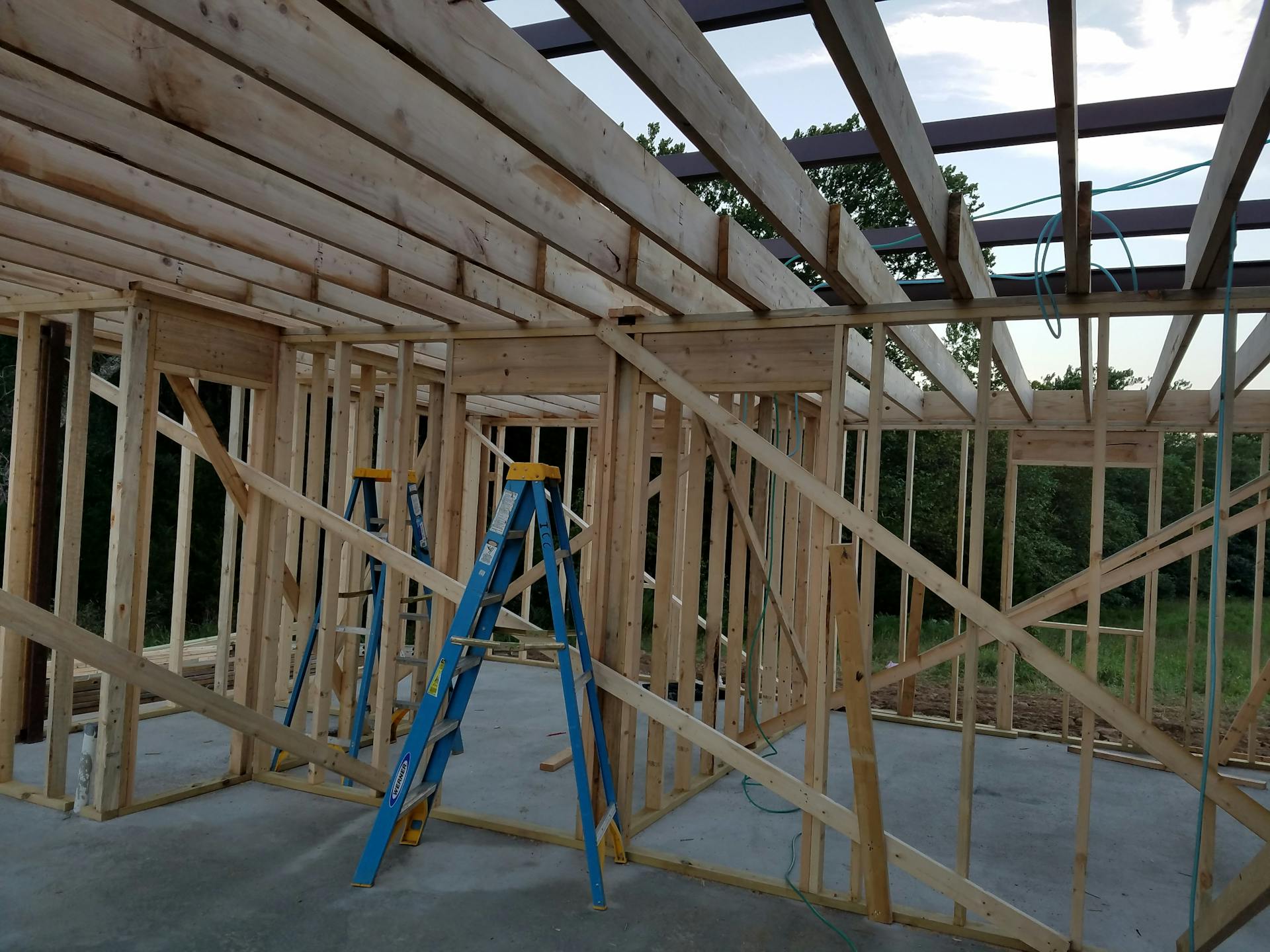
A construction mortgage releases funds in draws tied to progress — foundation, framing, lock-up, completion — not all at once. We structure the draw schedule, the holdbacks, and the take-out mortgage so your build is funded the whole way.
- Licensed FSRA brokerage
- Draw schedule structured
- Take-out mortgage planned
Who needs construction financing.
Custom-home builders
You are building a home from the ground up and need financing that advances as construction reaches each stage.
Major renovators
Your renovation is large enough that a HELOC will not cover it — you need draw-stage funding tied to the work.
Tear-down rebuilders
You are demolishing and rebuilding, which needs financing structured around both land value and construction cost.
Self-builders & GC clients
Whether you are managing the build or using a general contractor, the draw schedule must match the construction contract.
Draws, holdbacks, and the take-out — planned together.
Construction lending is about timing money to match the build.
Funds release in draws as construction hits defined milestones, each confirmed by an inspection or appraisal. Lenders hold back a portion (commonly 10% under construction lien rules) until completion. Interest during construction is usually charged only on the funds advanced.
The piece most people miss is the take-out: the conventional mortgage that replaces the construction loan once the home is complete. We plan the take-out from the start, so completion is a smooth conversion — not a scramble for new financing.
How draw-stage financing works.
A construction mortgage releases money in stages called draws, tied to construction milestones — commonly foundation, framing, lock-up, and completion. Each draw is confirmed by an inspection before funds advance, so the lender finances completed work.
Lenders hold back a portion of each draw (often 10% under construction-lien rules) until the project is complete, and interest during the build is usually charged only on the funds advanced to date — not the full approved amount.
The piece most people miss is the take-out: the conventional mortgage that replaces the construction loan once the home is finished. We plan it from the start, so completion is a clean conversion rather than a scramble for new financing.
Run your numbers in the calculatorYou’re building from the ground up
A custom home or a tear-down rebuild that needs funding to advance as each stage completes.
Your renovation is too big for a HELOC
Major structural work that needs draw-stage financing tied to the construction itself.
You have plans and a budget or contract
A fixed-price contract or detailed budget is the foundation a construction lender builds the draw schedule on.
- It’s a cosmetic or modest renovation — a HELOC or refinance is simpler and cheaper for that.
- You don’t yet have plans or a budget — a lender needs those to structure the draws.
- You’re buying a finished home — that’s a standard purchase mortgage.
From plans to completed home.
We align the draw schedule to your build and plan the conversion to a standard mortgage.
Intake
Plans, budget, construction contract, and land details.
Draw schedule
We structure draws to match your construction milestones and lender program.
Build draws
Funds release at each stage, confirmed by inspection, interest on advances only.
Take-out
On completion, the construction loan converts to your permanent mortgage.
What you need now, and what comes later
You only need the first group to start. We request the rest as your file progresses — and we tell you exactly when.
Get the full document checklist
See exactly what we’ll ask for — grouped by when you need it, with what’s required vs. situational clearly marked. We’ll email you a branded PDF you can keep and work from.
Construction files need plans, a fixed-price contract or detailed budget, and often a builder/GC profile plus appraisals at draw stages. We map the full set at intake.
How long it takes
- 01
Intake to approval: 1-2 weeks
Construction files carry more documentation; allow time for plans, budgets, and appraisal review.
- 02
Draws: across the build
Funds advance at each milestone — typically foundation, framing, lock-up, and completion — confirmed by inspection.
- 03
Completion to take-out: at occupancy
Once the home is complete and the final inspection clears, the loan converts to a permanent mortgage.
Questions buyers ask
How does a construction mortgage release funds?
In stages called draws, tied to construction milestones (commonly foundation, framing, lock-up, and completion). Each draw is confirmed by an inspection or progress appraisal before funds advance, so the lender finances completed work.
What's a holdback?
Lenders and construction lien legislation require a portion of each draw — often 10% — to be held back until the project is complete and lien periods expire. This protects against unpaid trades. We build the holdback into your cash-flow plan.
Do I pay interest on the whole loan during the build?
Usually no — interest during construction is typically charged only on the funds actually advanced to date, not the full approved amount. This keeps carrying costs lower in the early stages.
What's the take-out mortgage?
It is the conventional mortgage that replaces the construction loan once the home is complete. We plan it from the outset so completion is a clean conversion rather than a new approval under time pressure.
Can I build with a general contractor or only self-build?
Both work. Lender requirements differ — a fixed-price contract with a licensed builder is generally simplest, while self-builds need more documentation and scrutiny of your budget and experience. We match you to a program that fits your approach.
Fund your build the whole way through.
Start your construction application. About 13-15 minutes.
Start a construction application